
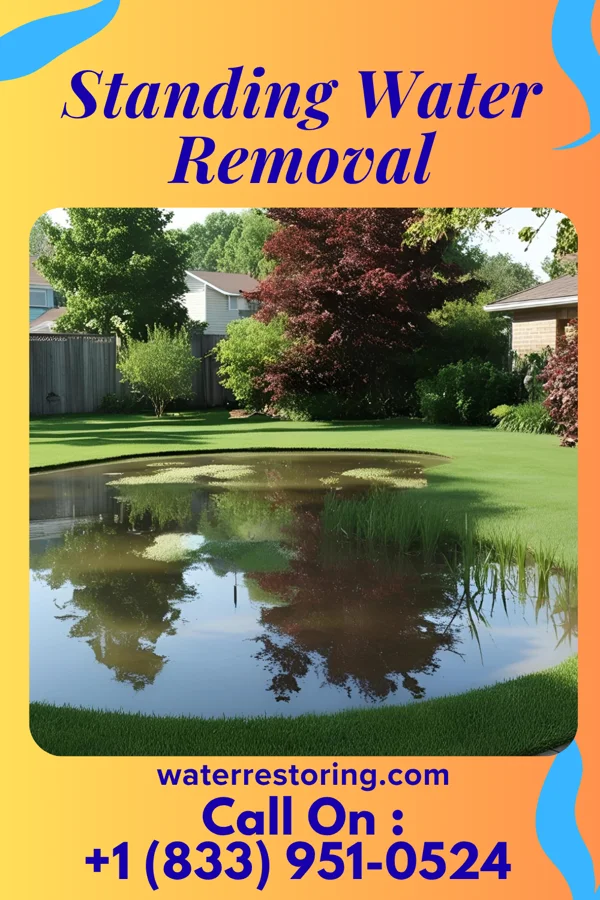
Standing Water Across Falls Church Neighborhoods
Every neighborhood in Falls Church has a different water damage risk profile. The one that shows up on most restoration calls is In Falls Church, Virginia, the primary water damage causes include plumbing leaks from aging infrastructure, especially in older homes near West Falls Church and Seven Corners, as well as sudden flooding from nearby stormwater systems during heavy rainfall events.. A close second is Secondary causes include sewer backups from the local wastewater system, particularly in the Idylwood and Seven Corners areas, and water intrusion from nearby commercial properties during extreme weather conditions..
Falls Church experiences a humid subtropical climate, which increases the risk of mold growth and prolonged moisture issues. The area's frequent summer thunderstorms and occasional winter snowmelt can lead to sudden water damage events.
Water damage in Falls Church follows a few local patterns. In Falls Church, Virginia, the primary water damage causes include plumbing leaks from aging infrastructure, especially in older homes near West Falls Church and Seven Corners, as well as sudden flooding from nearby stormwater systems during heavy rainfall events. accounts for the bulk of our calls. Falls Church experiences a humid subtropical climate, which increases the risk of mold growth and prolonged moisture issues. The area's frequent summer thunderstorms and occasional winter snowmelt can lead to sudden water damage events. Mold can develop quickly in Falls Church due to high humidity and frequent rainfall, especially in homes near the Potomac River and in suburban neighborhoods like Idylwood and Seven Corners. Immediate action is critical to prevent long-term health and structural issues.